Thursday, 26 November 2026

How shade sails in UAE Enhance Comfort and Protection?

When designing a functional outdoor environment in the UAE, we must account for sun, heat, and weather exposure, so choosing how to use sunlight, heat, and weather exposure is important. From a private garden and school area to a school playground, hotel courtyard, or restaurant terrace, direct sunlight can be too much and can limit how the space is used. Shade sails are a versatile shading option that offers practical protection from direct sun and modern architectural design, helping property owners make the most of their spaces.
Reduce direct sun exposure without enclosing the space

Shade sails are fabric structures that are placed between secure anchor points or supporting posts. The triangular, square, or rectangular shape of shade sails provides shade while keeping the area open. Unlike enclosed structures, air can move around the shaded area depending on the fabric and installation design.

Shade Sails  installations  in UAE can reduce direct solar exposure on seating areas, outdoor furniture, play equipment and pedestrian spaces. Fabrics with suitable UV protection may also limit ultraviolet exposure beneath the covered area. The actual level of protection depends on the material, fabric density, colour and coverage.

In Dubai and other parts of the UAE, outdoor-specific materials are important for maintaining performance under prolonged sunlight.

Flexible designs for different outdoor applications

One of the biggest advantages of shade sails is that they can suit spaces that conventional roofing structures can’t. Their versatile shape allows them to fit smaller residential and larger commercial projects.

Private gardens and terraces – Shade sails can cover selected seating or dining areas without overwhelming the landscape.

Schools and recreational facilities – Well-designed sails can shade play areas, outdoor classrooms, and activity zones.

Hotels, resorts and cafés – These spaces can use coordinated sails to create comfortable outdoor seating and relaxation areas. Commercial buildings: Shaded walkways, courtyards and outdoor employee spaces can become more practical for daily use.

Different fabric colours and installation heights can be coordinated with the property’s architecture. Multiple sails can also create overlapping coverage, provided the layout accounts for the sun’s changing position.

Shade sails or thatch roofs: Which is more suitable?

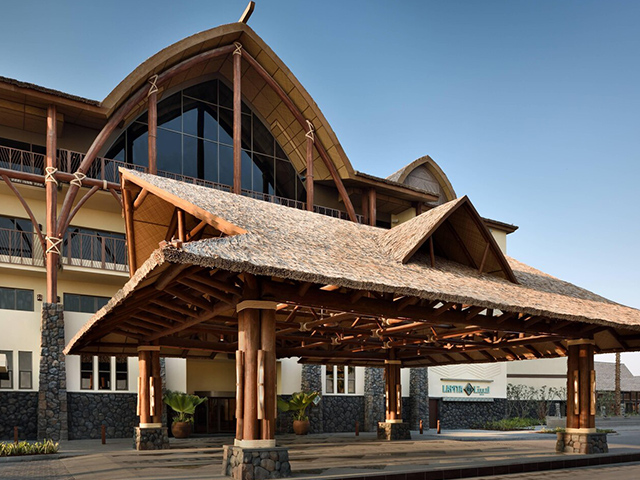
Property owners choose thatch roof in UAE for a resort, restaurant or landscaped retreat often gives a natural appearance. Its textured finish works particularly well in tropical-inspired or rustic outdoor settings.

Shade sails take a different approach. Their clean lines and tensioned fabric give them a modern look, and they suit modern villas, educational facilities, and commercial settings. They can also be placed in irregular spaces.

Make the decision based on the expected visual style, coverage needs, maintenance requirements, and structure. Neither method is always best; the right choice depends on the project’s objectives.

Regular inspections are also important. Check for loose fixings, worn fabric, and changes in tension during severe weather. Following the manufacturer’s operating and maintenance recommendations helps preserve the installation.

Explore outdoor shading with Ghaf Tree Awnings

Ghaf Tree Awnings offers outdoor shading solutions for residential and commercial properties, with different architectural styles and functional requirements. When selecting a shading system, consider the area to be covered, the required UV protection, and the area’s exposure to sunlight and wind.

Source URL: https://www.ghaftreeuae.com/how-shade-sails-in-uae-enhance-comfort-and-protection/ 

Monday, 16 November 2026

Benefits of Vertical Awning Windows for Modern buildings

 Today’s buildings need to balance natural light, ventilation, privacy, and energy efficiency. Windows are the most critical element in achieving this balance, particularly in Dubai, where intense sunlight and high outdoor temperatures shape building design. Vertical awning windows are a practical way to manage ventilation, and they are easy to maintain while maintaining a streamlined architectural form. When designed to the building’s requirements and used well, they can enhance indoor comfort and make the space more liveable and functional.


What are vertical awning windows?


Vertical awning windows are window systems that open outward, typically with a top-hinged sash. They open the upper frame, allowing air to circulate and providing some protection against light rain, if the design allows.


With their small opening mechanism, they are suited for residential properties, offices, and selected commercial buildings. They can also suit modern architectural styles, with clean frames and clever hardware.


Benefits of vertical awning windows


  1. Improved ventilation

Effective ventilation moves air into indoor spaces and reduces stuffiness. Vertical awning windows can also provide fresh air when conditions are right. Their opening angle can also improve the room’s flow, and airflow will be directed by wind direction and the building’s layout.


  1. Better management of natural light


Well-placed windows let daylight into indoor spaces, so you use artificial lighting less often during daylight hours. Combined with appropriate glazing and external shading, they can balance daylight availability with solar heat gain.


  1. A contemporary architectural finish


The visible vertical profile and practical opening design can complement the modern façades. These windows suit spaces where ventilation is needed while maintaining a visually consistent building. Frame finishes and dimensions can be chosen as per the surrounding architecture.


  1. Practical use of space


The sash opens outward rather than into the room, so vertical awning windows keep interior space open for furniture and other fittings. But the outward opening should be carefully planned where walkways, balconies, or other structures might block its movement.


How can windows be integrated with external shading?


In Dubai, controlling solar heat gain is just as important as getting sunlight into a building. External shading systems can reduce direct sunlight before it reaches the glazing, keeping people near the windows comfortable.


Zip screen outdoor blinds are one option for terraces, glazed openings, and specific outdoor settings. These systems use guided fabric screens that offer adjustable shading and reduce glare. Depending on the fabric, they can also offer varying levels of visibility and privacy while maintaining a connection with the outdoors.


Vertical awning windows and zip screens are used for different purposes: windows facilitate ventilation, and external screens are used to deal with sunlight and glare. Compatibility depends on installation details, available clearance, and how each system works. Planning helps maintain moving parts and avoid interference.


The right solution for building


When selecting vertical awning windows, consider the building’s orientation and ventilation, glazing performance, frame material, and maintenance needs. In exposed areas, hardware durability and secure installation are key. Specify external shading based on the site’s sunlight exposure and intended use.


Enhance building comfort with Ghaf Tree Awning


Ghaf Tree Awning offers outdoor shading solutions, including Zip screen systems, to enhance the functionality and appearance of residential and commercial spaces. For modern buildings in Dubai, ventilation and solar control can greatly improve everyday comfort and usability.


Source URL: https://www.ghaftreeuae.com/benefits-of-vertical-awning-windows-for-modern-buildings/ 

Wednesday, 11 November 2026

Pergola material for the Dubai climate: Aluminium vs wood vs steel

When designing an outdoor space in Dubai, choose the right pergola materials. Direct sunlight, heat, dust, and humidity can affect an outdoor structure's appearance and performance over time. If you are planning a shaded villa terrace, garden seating area, or outdoor dining area for your commercial property, choose materials that suit the environment, maintenance needs, and your building's style.

For a pergola installation in Dubai, the materials aluminium, wood, and steel each offer distinct advantages. Understanding their differences helps you choose a structure that works for you and looks good.

Benefits of aluminium

●       Aluminium pergolas are practical and low in maintenance.

●       Aluminium is a strong, lightweight choice for modern outdoor structures, with good performance and corrosion resistance thanks to its thin frame.

●       Aluminium does not rust like steel in the traditional (untreated) sense.

●       When properly finished, it can withstand heat and harsh weather while maintaining a clean, modern look.

●       Aluminium pergolas can be set up by Dubai owners for modern villas, rooftop terraces, swimming pools, and commercial patios.

●       Powder-coated finishes come in various colours, and fixed, retractable, and adjustable-louvre designs allow easy control of sunlight.

●       Aluminium also requires relatively little maintenance. Regular cleaning and inspections keep fittings in top condition and performing well.

However, the coating, hardware, and installation are critical in Dubai's demanding climate.

Wooden pergolas: Natural warmth and character

Wood has a distinctive look that pairs well with landscapes, traditional architecture, and natural outdoor spaces.

●       Its grain, texture, and warm tones can create an inviting space for dining or relaxation.

●       Wood requires more maintenance than aluminium.

●       Prolonged exposure to sunlight can cause fading, and moisture and humidity can cause swelling, cracking, and deterioration if the timber isn't properly treated or well protected.

●       When it is protected, good coatings and regular inspections will help maintain the wood's condition.

Consider wood if appearance is a priority and the property owner is prepared to invest in ongoing care. Selecting the right timber species and professional installation are key to long-term sustainable performance.

Steel pergolas: Strength and structural flexibility

Steel is well suited for robust structures that need high load-bearing capacity or are built in a specific form.

●       It can support large spans and is used in commercial terraces, hospitality projects, and large outdoor projects.

●       Corrosion protection is the major concern in Dubai.

●       Steel must be protected with a coating, and joints, cut edges, and connections should be carefully maintained.

●       Damaged finishes can expose the underlying metal to corrosion, particularly in humid or exposed environments.

●       Regular inspections and maintenance are therefore critical. Steel can create an industrial or contemporary look, but the frame, finish, foundation, and installation should be chosen to meet the project's needs.

Depending on the features and advantages of these options, select the pergola that best suits your purpose.


How shade sails in UAE Enhance Comfort and Protection?

When designing a functional outdoor environment in the UAE, we must account for sun, heat, and weather exposure, so choosing how to use sunl...